China-Korea Trade Trends

A topic page for reading the direction of China-Korea trade through tariffs, FTA updates, policy changes, and export structure shifts.

Topic Overview

The China-Korea trade topic is not just a place to track headline import-export numbers. It is designed to connect the policy, tariff, FTA, and compliance signals that can materially change how Korean buyers time orders and compare Chinese supply options.

MO-TEK uses this topic to group public policy releases, official documents, market data, and industry reporting into one reading flow. That makes it easier to understand how a macro trade update can turn into a sourcing cost or delivery decision on the ground.

Core Topic

China-Korea Trade Trends

A topic page for reading the direction of China-Korea trade through tariffs, FTA updates, policy changes, and export structure shifts.

Sourcing Watch

Sourcing China for Korean Buyers

Tracks the channels, replenishment patterns, compliance signals, and buying behaviors that matter when Korean buyers source from China.

Sector Cluster

Key Industry Watch

Groups sector-specific signals across glass, beauty, packaging, and retail where market shifts often connect directly to sourcing decisions.

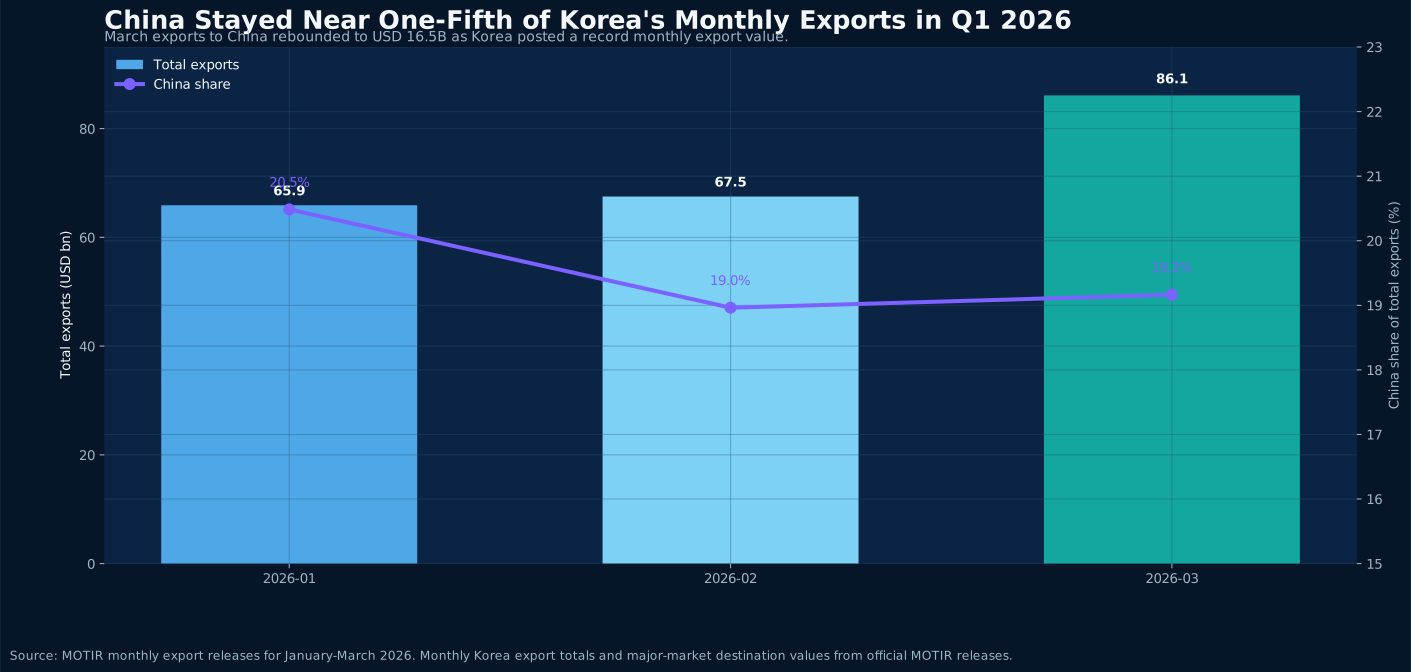
Official chart: MOTIR's January-March 2026 export releases show China holding close to one-fifth of Korea's monthly exports, while recovering to USD 16.5 billion in March as total exports hit a record high.
Trade Trend Insight · 2026-04-05

Korea's Exports to China Re-Accelerated in Q1 2026: Not a Return to the Old Cycle, but Growth Rebuilt on Higher-Value Flows

Official Korean export releases for January through March 2026 show exports to China moving from USD 13.5 billion in January and 12.8 billion in February to 16.5 billion in March. The bigger story is not the rebound alone, but the way semiconductors, computers, and consumer goods together put China back near the center of Korea's export structure.

Read Article
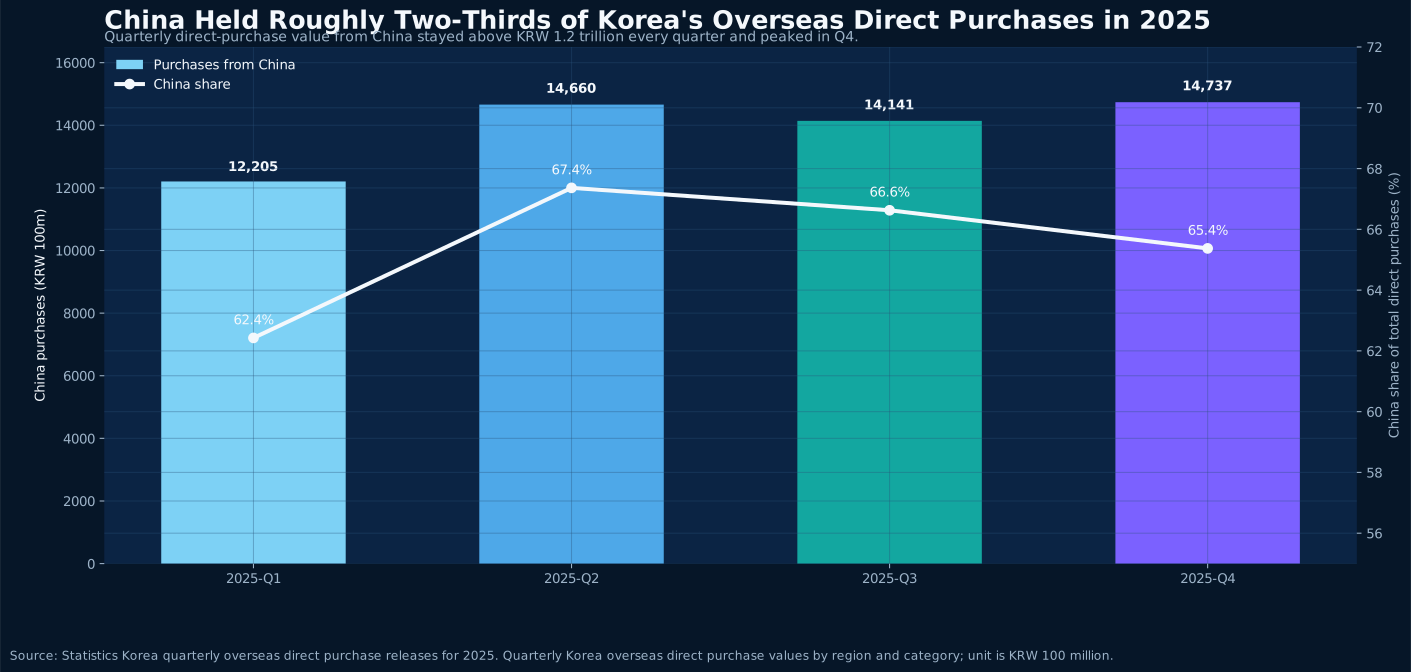
Official chart: Statistics Korea's 2025 direct-purchase data shows China staying above 60 percent of Korea's overseas direct-purchase mix in every quarter, indicating that Chinese platforms are not being treated as a temporary substitute.
Cross-Border Ecommerce Insight · 2026-04-05

Why Korean Consumers Keep Buying from China: 2025 Overseas Direct-Purchase Data Points to Replenishment Speed, Not Just Low Prices

Across all four quarters of 2025, Statistics Korea shows China remaining Korea's largest source of overseas direct purchases, climbing from KRW 1.2205 trillion in Q1 to KRW 1.4737 trillion in Q4. The more important signal is the stability of China's supply position across fashion, food, and daily-use categories.

Read Article
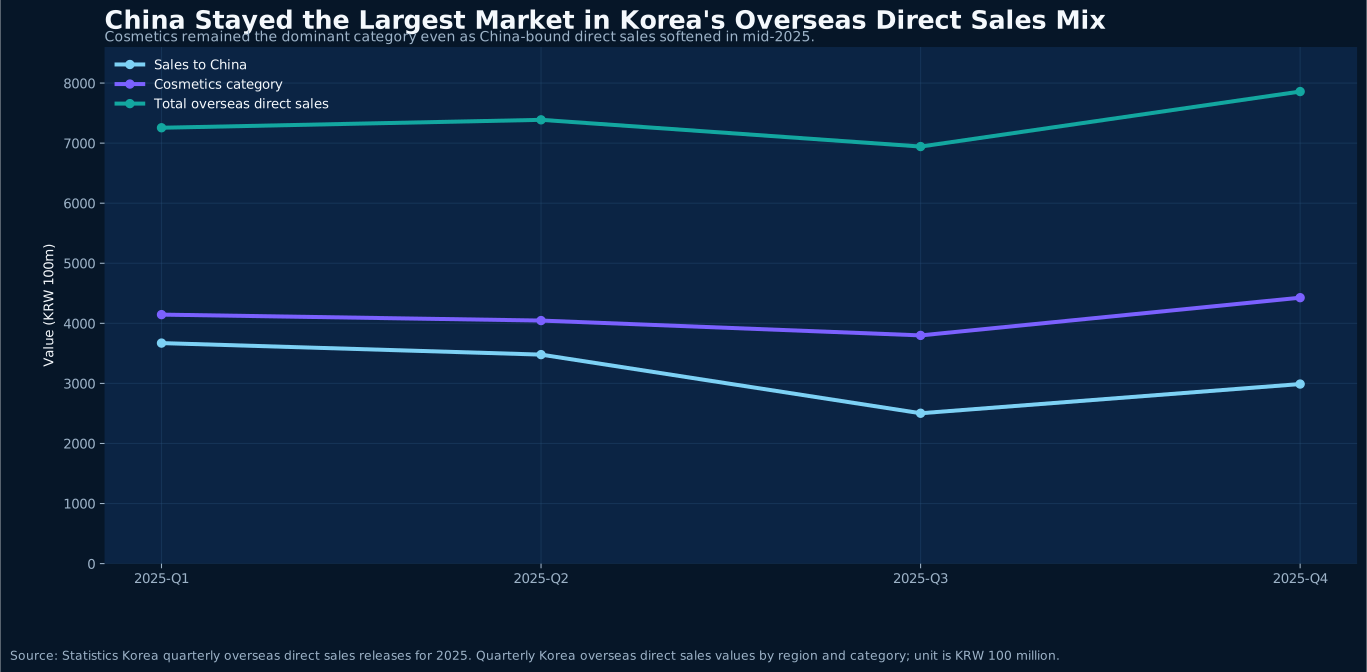
Official chart: Statistics Korea shows China remaining the No.1 destination for Korea's direct sales in every quarter of 2025, while cosmetics stayed the largest category throughout the year.
Beauty Export Insight · 2026-04-05

K-Beauty Sales to China Are Shifting from Traditional Distribution to D2C and Compliance Speed: What 2025 Direct-Sales Data Means for Packaging and Supply Chains

Statistics Korea's 2025 overseas direct-sales data kept China in the No.1 position across all four quarters, while Korean authorities simultaneously rolled out ecommerce HS-code support and new K-beauty export initiatives. For packaging, filling, warehousing, and brand-service operators, the real shift is that channel speed and compliance are now moving forward together.

Read Article
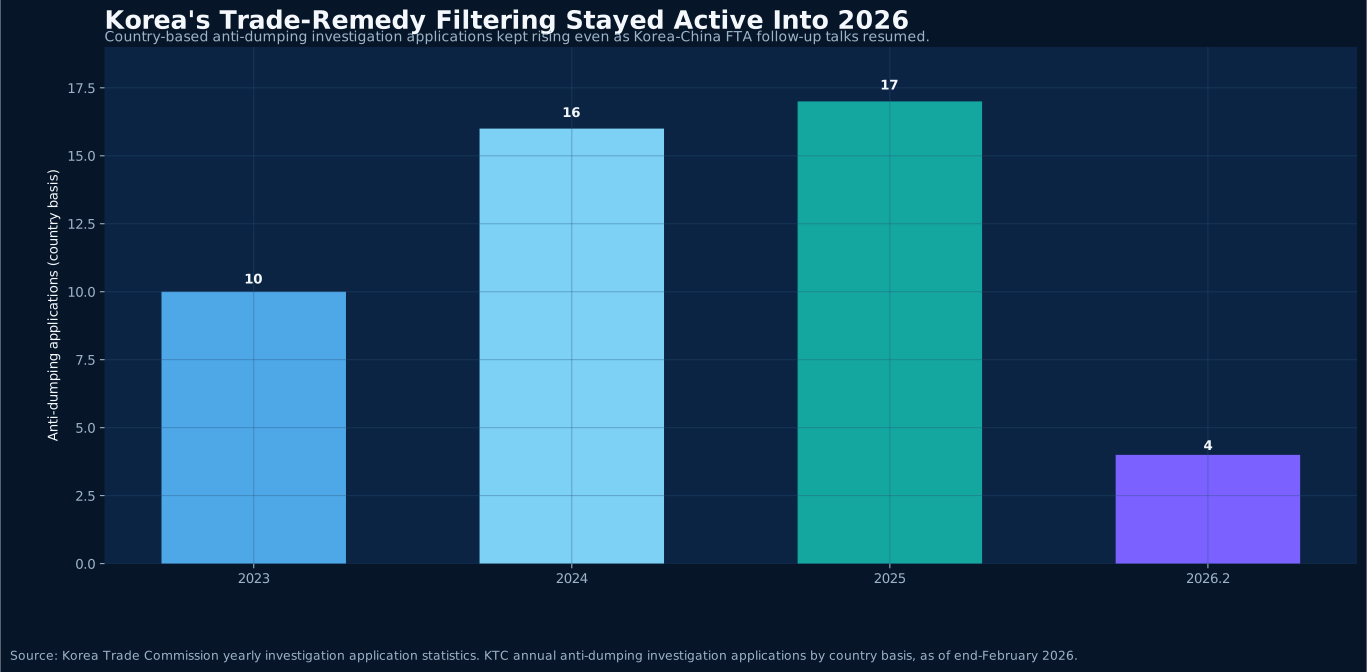
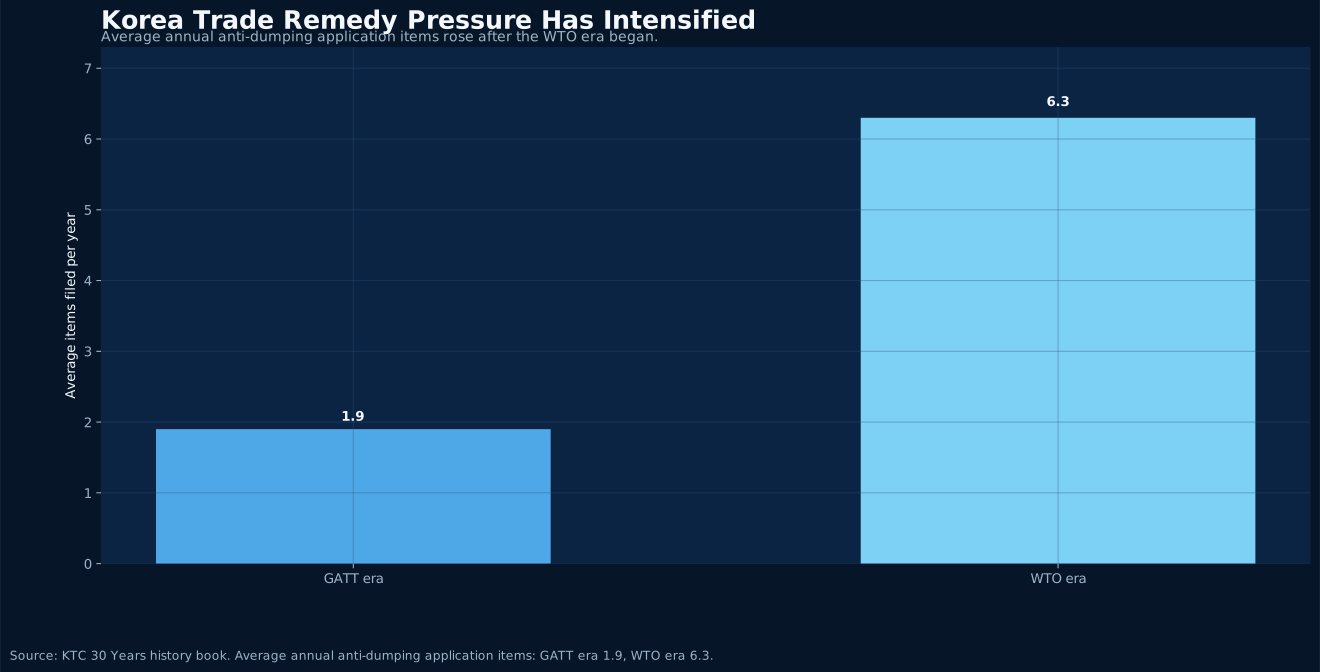
Official chart: KTC statistics show anti-dumping applications on a country basis rose from 10 in 2023 to 16 in 2024 and 17 in 2025, with 4 already filed by end-February 2026.
Policy & Trade Insight · 2026-04-05

The Korea-China FTA Is Accelerating Again, but Trade Remedies Are Tightening Too: Where the Real Opportunity Sits After Services Talks Restart

When firms hear that Korea and China are accelerating follow-up talks on FTA services and investment, they often assume the market is becoming easier again. The public signal from Korea says something more precise: institutional upgrading and dialogue are returning, while anti-dumping, circumvention control, and enforcement are moving further forward at the same time. The opportunity is not a looser market, but a clearer threshold for how business must be done.

Read Article
FAQ

Why read trade-policy coverage from a sourcing perspective?

Because policy shifts are rarely abstract for buyers. Tariffs, origin rules, and trade remedies can change order timing, supplier selection, and negotiation strategy very quickly.

What sourcing work benefits most from this topic?

It is especially useful when comparing long-term supply options, reopening pricing discussions, evaluating alternate origins, or checking customs and compliance exposure.

How does MO-TEK use this topic internally?

We connect public policy changes with product-level market signals to identify which categories, suppliers, and timing assumptions deserve a second look for Korea-focused trade work.