From 15.74T to 11.43T: The New Normal After COVID Tailwinds Fade
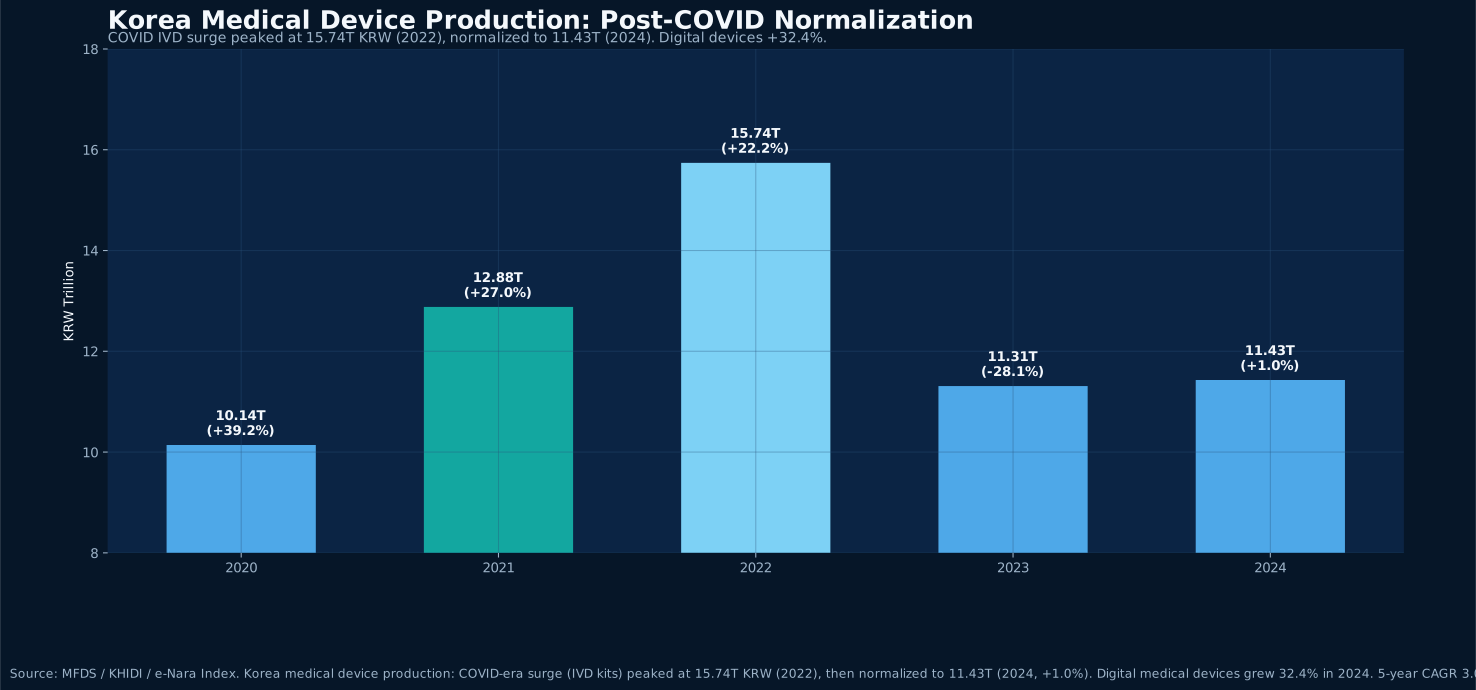
MFDS and KHIDI's 2024 medical device industry statistics show Korea's production reached 11.43 trillion KRW, up just 1.0% from 2023. This figure is down 27.4% from the 2022 peak of 15.74 trillion KRW. The peak was entirely COVID-driven: in-vitro diagnostic (IVD) device production and exports surged 554.2% and 624.0% respectively in 2020, pushing the overall industry to its zenith in 2022.
As COVID transitioned to endemic status, IVD demand collapsed, causing a cliff-like 28.1% decline in 2023. The 1.0% increase in 2024 signals the industry is stabilizing from post-COVID adjustment, with a 5-year CAGR of 3.0%. While less spectacular than pandemic years, this represents the genuine underlying growth capability of Korea's medical device industry.
Digital Medical Devices: The Strongest Post-COVID Growth Engine
Against the backdrop of modest overall growth, digital medical devices emerged as the brightest growth segment. Digital device production and exports grew 32.4% and 45.4% YoY respectively in 2024, with exports reaching approximately 450 billion KRW. This category encompasses AI-assisted diagnostic software, telemedicine equipment, wearable medical sensors, and digital therapeutics (DTx).
Korea's competitive advantage in digital medical devices stems from two factors: powerful IT infrastructure and a digitized healthcare system (nearly 100% electronic health record coverage) providing massive training data for AI devices; and MFDS's relatively mature AI medical device approval framework enabling faster time-to-market. Korean AI medical imaging companies like Lunit and Vuno have already gained global recognition.
Export Landscape: Implants Lead, China Is the #2 Market
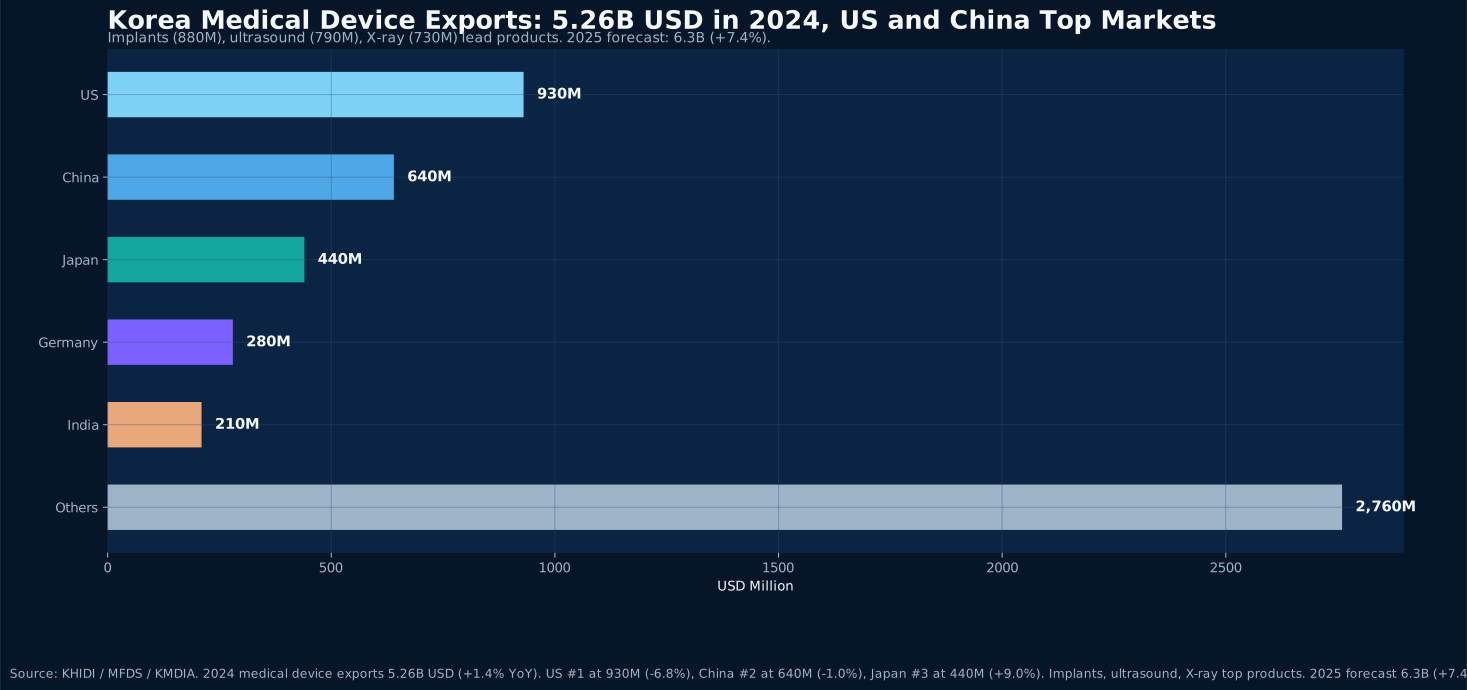
Korea's 2024 medical device exports totaled $5.26 billion, up a modest 1.4% YoY. By destination, the US led at $930 million (but down 6.8% YoY), China ranked second at $640 million (-1.0%), and Japan third at $440 million (+9.0%). Notably, Japan showed the fastest growth, possibly reflecting its aging society's sustained demand for advanced medical devices.
By product category, implants (including dental) led Korean medical device exports at $880 million (+11.2%), followed by ultrasound diagnostic equipment at $790 million (+4.1%) and radiographic equipment at $730 million. Korea has become a major global dental implant exporter, with brands like Osstem and Dentium competing effectively against European and American rivals on both price and quality. Full-year 2025 medical device exports are forecast at $6.3 billion (+7.4%).
China Market Opportunities: NMPA Registration and Collaboration Space
China is Korea's #2 medical device export market ($640M), but entry barriers are high. NMPA's classification system requires Class I filing, Class II provincial registration, and Class III national registration, each requiring Chinese-language technical documentation and a Chinese agent, with Class II/III additionally needing clinical trial data and GMP site inspections. For Korean SME medical device companies, the complexity and time cost of NMPA registration remain the primary barriers to China market entry.
But opportunities are equally significant. China is the world's second-largest medical device market, approximately RMB 1.2 trillion in 2024 and growing over 10% annually. Korean implants, ultrasound equipment, and AI diagnostic software have clear competitive advantages in China. Conversely, Chinese medical device exporters are also growing rapidly -- China is already a significant source of Korea's medical device imports. China-Korea medical device trade is evolving from one-way export to two-way complementarity: Korean high-end equipment and digital solutions meeting China's massive demand, while China's scale manufacturing and consumable supply capabilities support Korea's healthcare system.